Detroit housing architecture varies drastically by neighborhood, dictating the exact technical requirements of ongoing structural defense. In historic areas such as Palmer Woods, Indian Village, and Boston-Edison,…
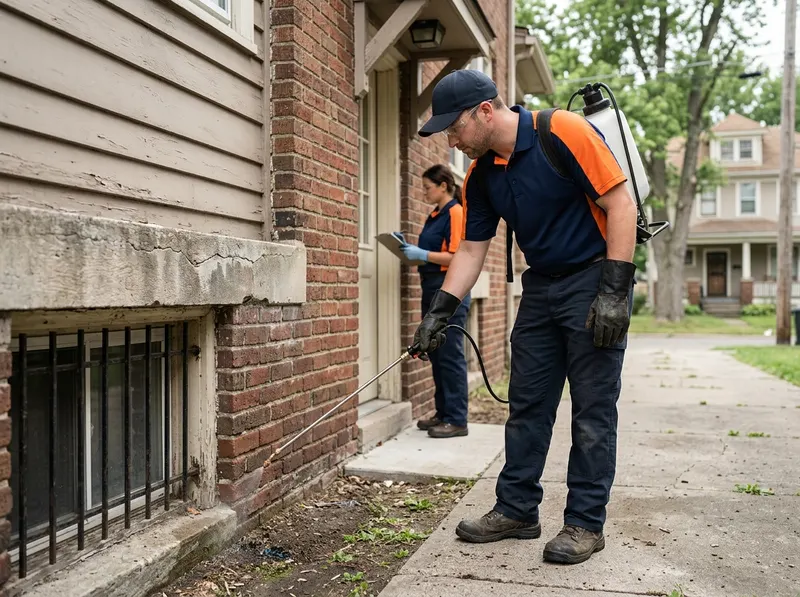
Detroit housing architecture varies drastically by neighborhood, dictating the exact technical requirements of ongoing structural defense. In historic areas such as Palmer Woods, Indian Village, and Boston-Edison, large brick and stone footprints frequently feature aged limestone foundations, exterior mortar voids, and original wood trim that allow Norway rats (*Rattus norvegicus*) and field mice easy entry once temperatures drop in November. Properties in Corktown, Woodbridge, and Midtown often share close property lines where rodent pressure travels along utility corridors and aging sewer mains. Structural defense establishes an impenetrable perimeter using stainless steel hardware cloth, elastomeric caulking, and metal flashing to close openings larger than 0.25 inches around stone foundations, sill plates, and plumbing penetrations.
Selecting a structural exclusion program provides a permanent physical barrier rather than relying solely on repetitive interior chemical applications. If a building exhibits active structural entryways or sits within 500 feet of dense alleyways or older sewer connections, common near Bagley and Green Acres, physical exclusion paired with quarterly monitoring is necessary to prevent recurring re-infestation. A standard reactive extermination visit kills active pests inside the footprint, but leaves entry gaps unsealed; year-round defense remediates the physical pathways. The trade-off involves a higher initial investment in sealing labor compared to a standard spray treatment, balanced against eliminating recurring internal nesting cycles.
Each defense protocol follows a four-part implementation sequence: 1. Comprehensive physical audit mapping every foundation crack, crawlspace vent, roofline gap, and soffit entry. 2. Heavy-duty barrier installation using 19-gauge galvanized wire mesh, copper mesh, and concrete bonding agents to seal all mapped entry points. 3. Application of microencapsulated exterior residual barriers along the perimeter skirt to intercept crawling insects like carpenter ants before they reach wood framing. 4. Scheduled quarterly system audits to inspect barrier integrity, replace exterior monitoring baits, and clear emerging wasp nests or soil line disturbances before structural breaches occur.
Every job gets a firm, written price after a free on-site visit.
Tell us about your ongoing year-round structural pest defense job in Detroit and we'll send a clear, written quote, usually the same day.
 Fenvik Pest Response